The essentials
- Sumo recognises 82 kimarite, or match winning techniques,and 5 non-techniques,the ways a wrestler can lose.[1]
- Chiri-chozu first, then the salt throw:there wrestler shows the gods and his opponent that his hands hold no weapons.[2]
- Six divisions covering ten ranks,with Makuuchi alone split into five separate ranks,and only 75 wrestlers have reached yokozuna.[3][4]
- A contest usually lasts only a few seconds,and only rarely can it take a minute or more.[5]
- The Kokugikan holds up to 10,000,and a Tokyo sumo show with chicken hot pot and geisha starts from US$102.[6][7]
- Top choice Sumo show with hot pot from US$102 Duration2 hours[7]Rating4.79 from 8,004 reviews[7]CancellationFree cancellation up to 24 hours ahead[7] Check availability
- Sumo show and dining from US$89 Duration1.5 - 2 hours[8]Rating4.80 from 3,454 reviews[8]CancellationFree cancellation up to 24 hours ahead[8] See this tour
- Shinjuku sumo show from US$65 Duration1.5 hours[9]Rating4.84 from 7,180 reviews[9]CancellationFree cancellation up to 24 hours ahead[9] See this tour
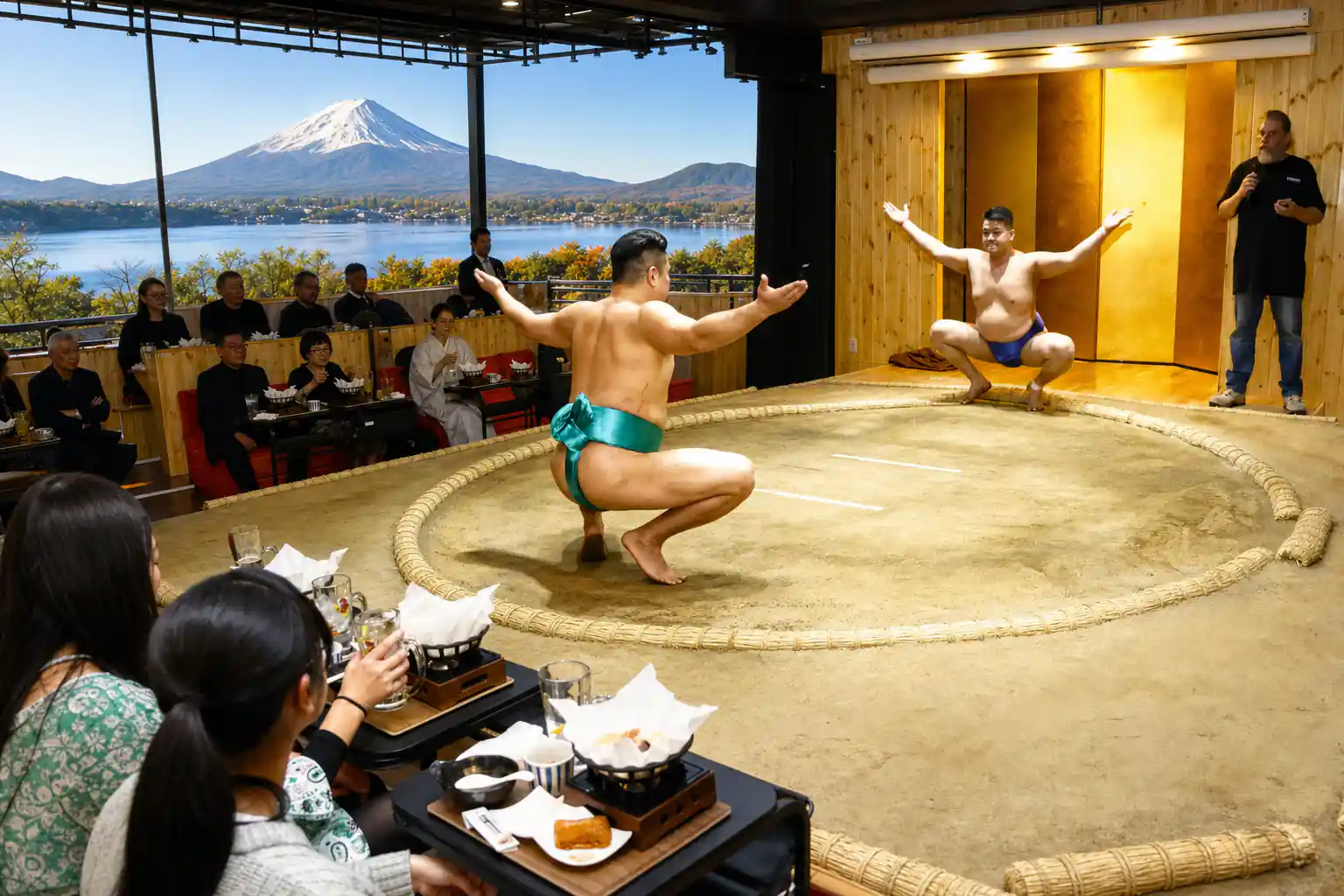
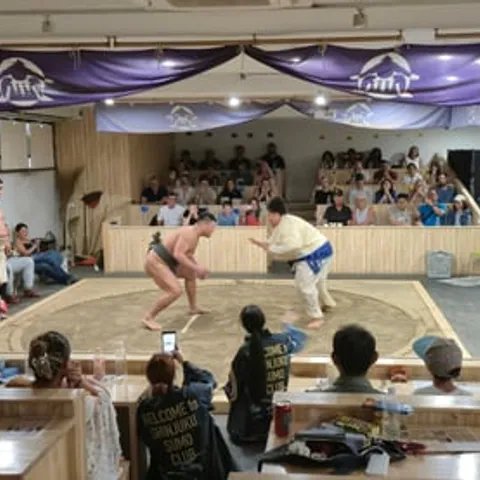
In sumo, there are 82 kimarite, or match winning techniques and 5 non-techniques or way to lose, all defined by Japan Sumo Association.
Is a sumo show worth adding to a Tokyo trip?
Booking notes
- Reserve the show you want first, then build the rest of the day around it
- Starting times appear when you check availability, so choose a date first
- Look for reserve now and pay later if your plans might change
- Some listings offer a small group format,including the hot pot and geisha show[7]
On the day
- Arrive with time to spare,because the quiet moments before the first bout are part of the show
- Several Tokyo and Osaka sumo shows list wheelchair accessibility, so check before you choose
- Halls and stables can be warm or cold, so wear layers you can take off while sitting
- Keep your voice down at a stable visit; you are a guest in someone's workplace
How a sumo wrestler wins a bout
Sumo has a fixed vocabulary for winning. There are 82 kimarite,or match winning techniques,and 5 non-techniques,the ways a wrestler can lose,and all of them are defined by the Japan Sumo Association.[1] Nothing about the result is left to opinion,and every bout ends in a way that can be looked up afterwards. For a first-time spectator that is oddly helpful: you always know that what you just watched has a name.
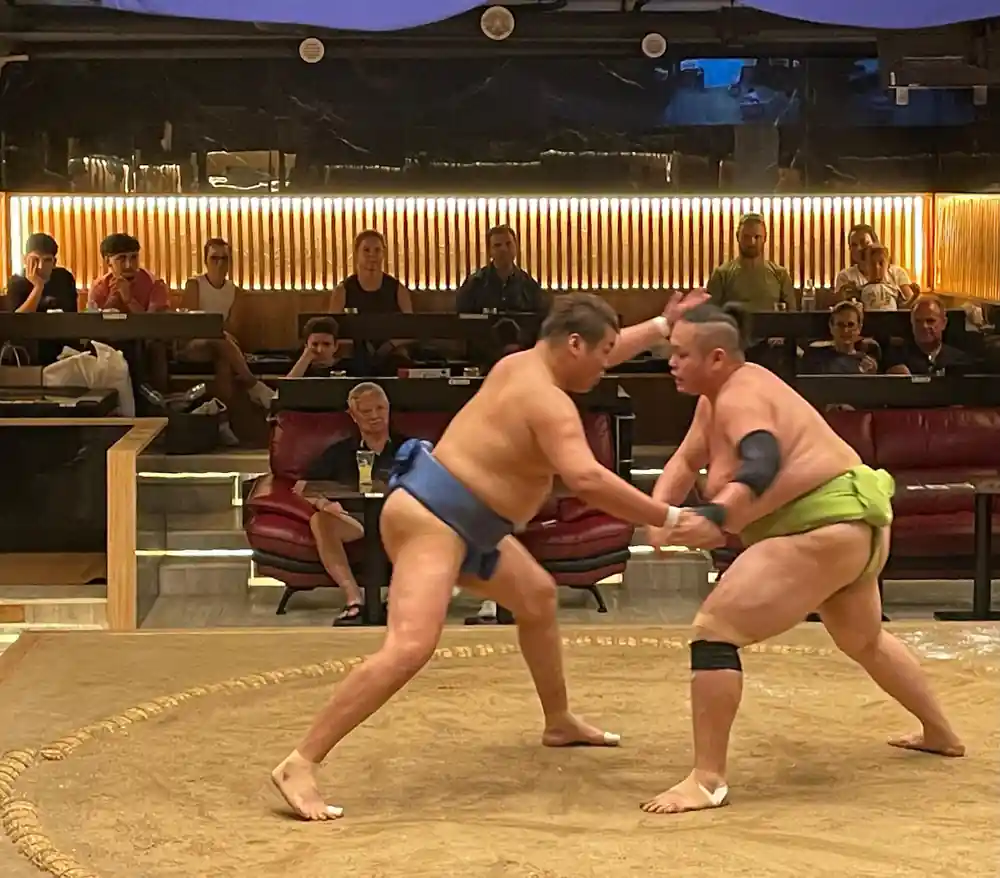
The ring does a lot of the storytelling. A referee in traditional dress moves with the wrestlers, fan in hand,and the two men in the middle wear only a thick belt. Because so little seems to be happening on the surface,your attention lands on small details: where a hand closes on the belt, which foot is planted,how the shoulders turn. It is one of the few sports where the crowd can hear a wrestler breathing between charges.
The formality has deep roots. Professional sumo took its present form in the Edo period(1603-1867),when matches were held to raise money to build shrines and temples or to replace bridges,and professional wrestlers emerged from that circuit.[10] The entrances and rituals you watch today are descendants of those fundraising bouts,which is part of why nothing in the ring feels rushed.
Inside the ring:the rituals before the clash
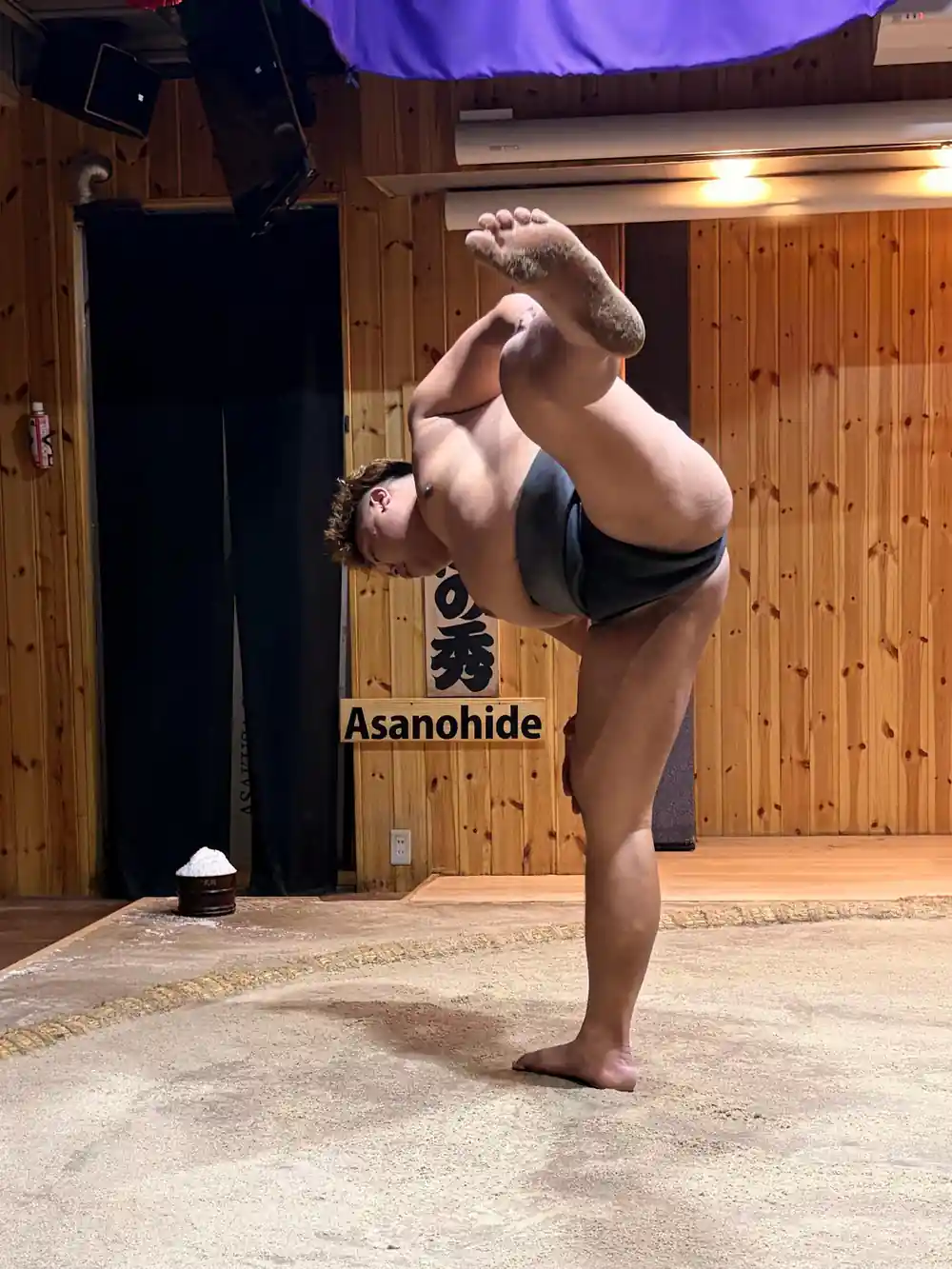
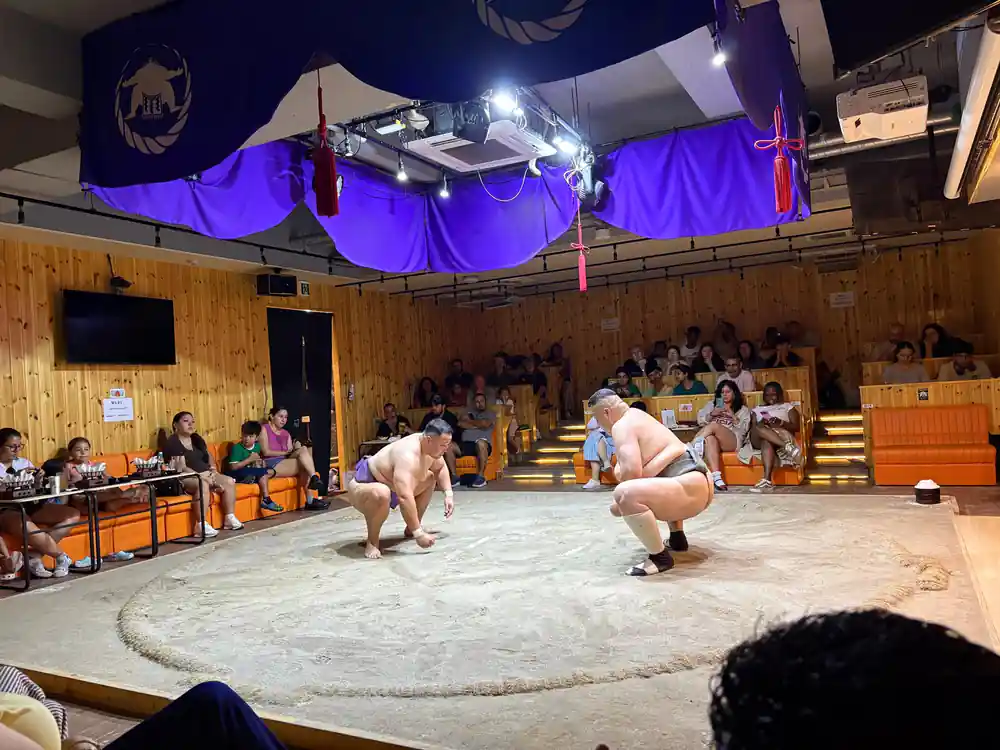
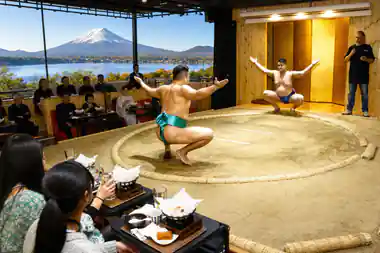
Before a bout,the wrestler performs chiri-chozu. He squats low with both arms extended to the sides and his palms turned upward,showing the gods and his opponent that his hands hold no weapons,and then he throws salt.[2] It is a slow,formal opening,and it rewards watching rather than photographing,because it sets the pace for everything that follows.
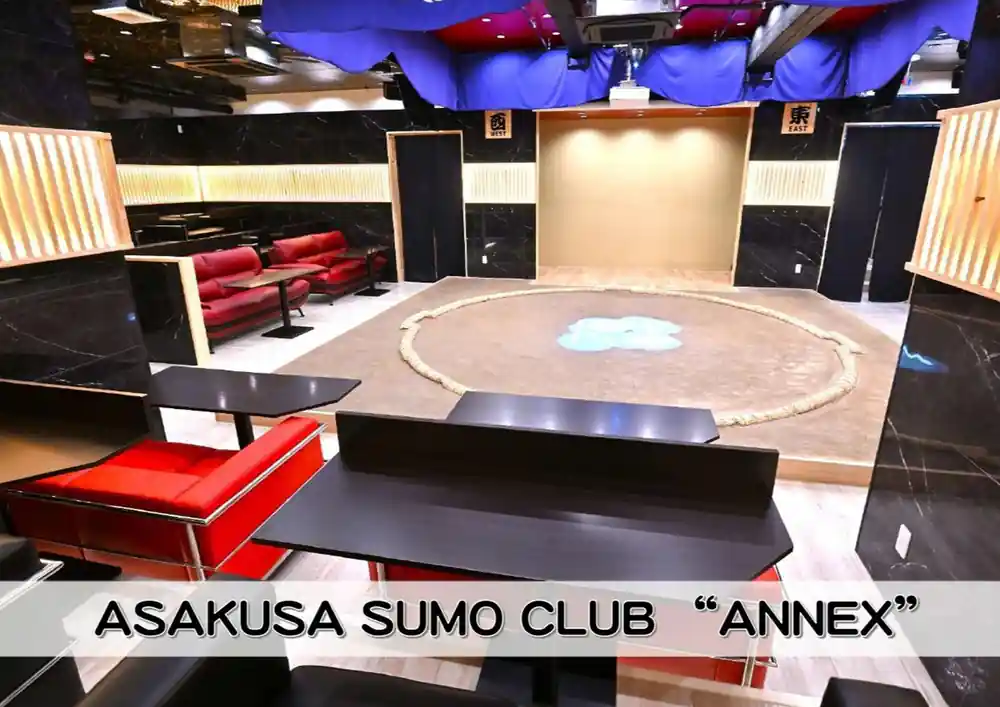
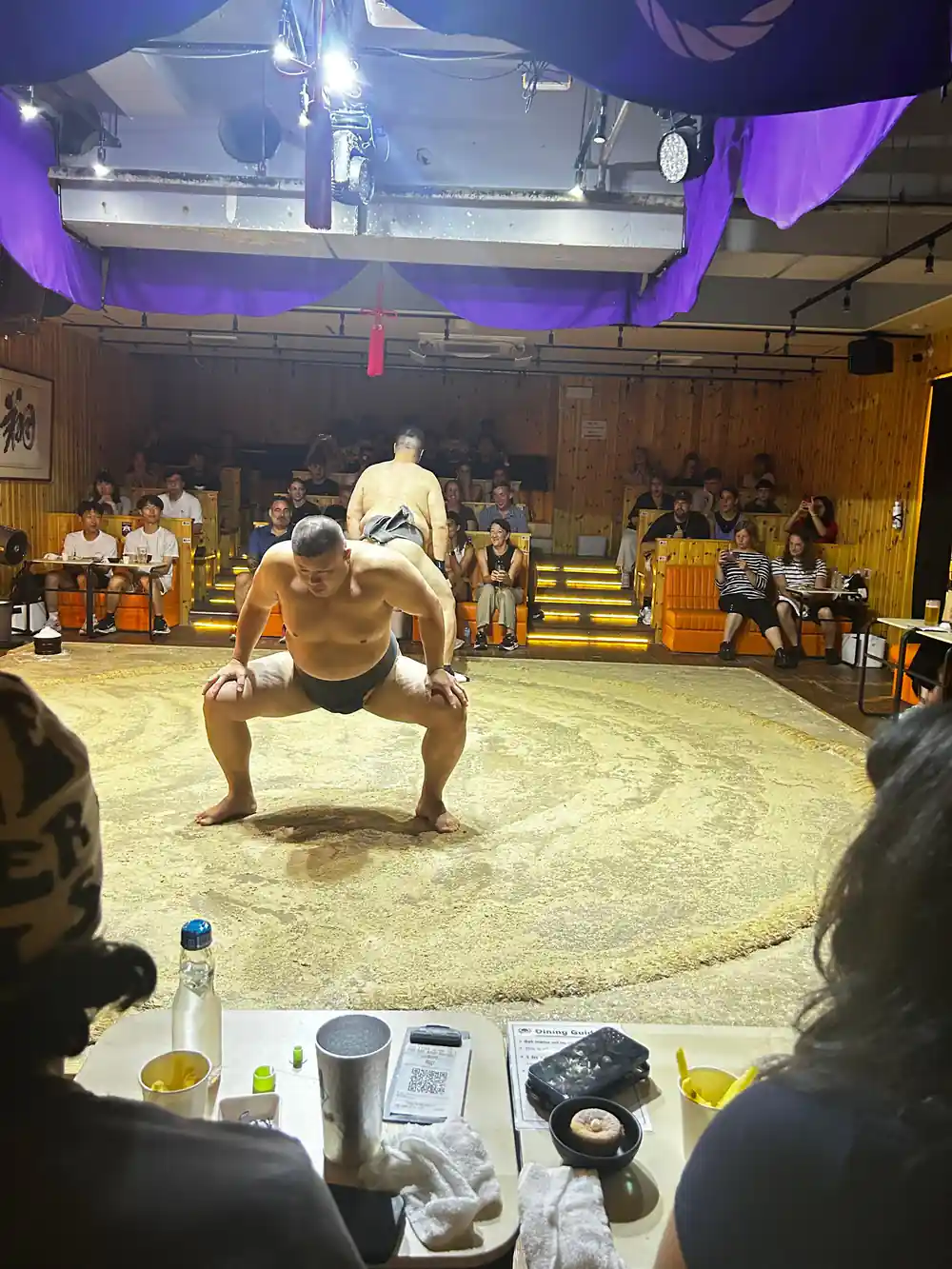
The ritual also tells you where to look. Once the salt has been thrown,the two wrestlers settle into their crouch and the room goes quiet. At the smaller show venues you sit close enough to see grains of salt on the clay and the sheen on a wrestler's back. Take a seat near the front if you can,settle in before the first bout,and keep the phone in your pocket until it is over.
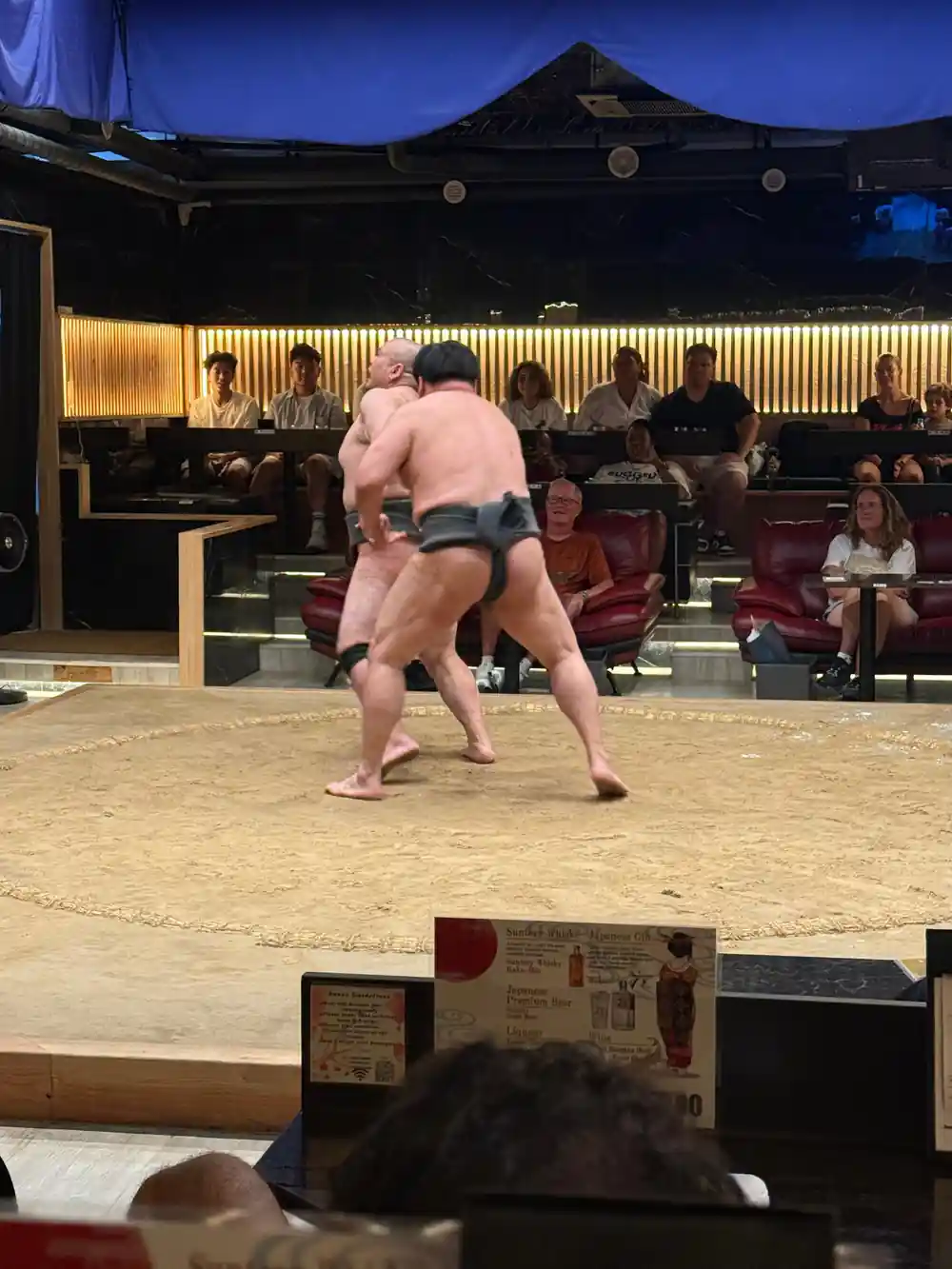
Salt on the clay,and a quiet room just before the first charge.
Spotting a kimarite as a spectator
You do not need to memorise 82 techniques to enjoy a bout,and the number itself is more useful as a hint about how the sport thinks than as a checklist.[1] Fans who follow sumo closely tend to recognise a handful of shapes instead:a wrestler with a firm hold on the belt,a wrestler being lifted off his feet,a wrestler whose balance has quietly gone. The name can be looked up afterwards.
Watching on a screen has one advantage,which is the instant replay. Watching in a venue has another,which is the sound. A winning technique often ends with a heavy thud,then a short silence,then the applause,and the referee's fan becomes the most interesting object in the room. Learn two or three shapes and you can follow a whole card without knowing the name of a single technique.
There is a practical side to this as well. Because results are catalogued,sumo arguments are settled by looking things up,and a guide who knows the list is worth listening to. If you join a show or a stable visitthat has an English-speaking guide,ask which technique decided the bout you have just watched. The answer usually comes with a short story about the wrestler who used it.
Why so many bouts are over in seconds
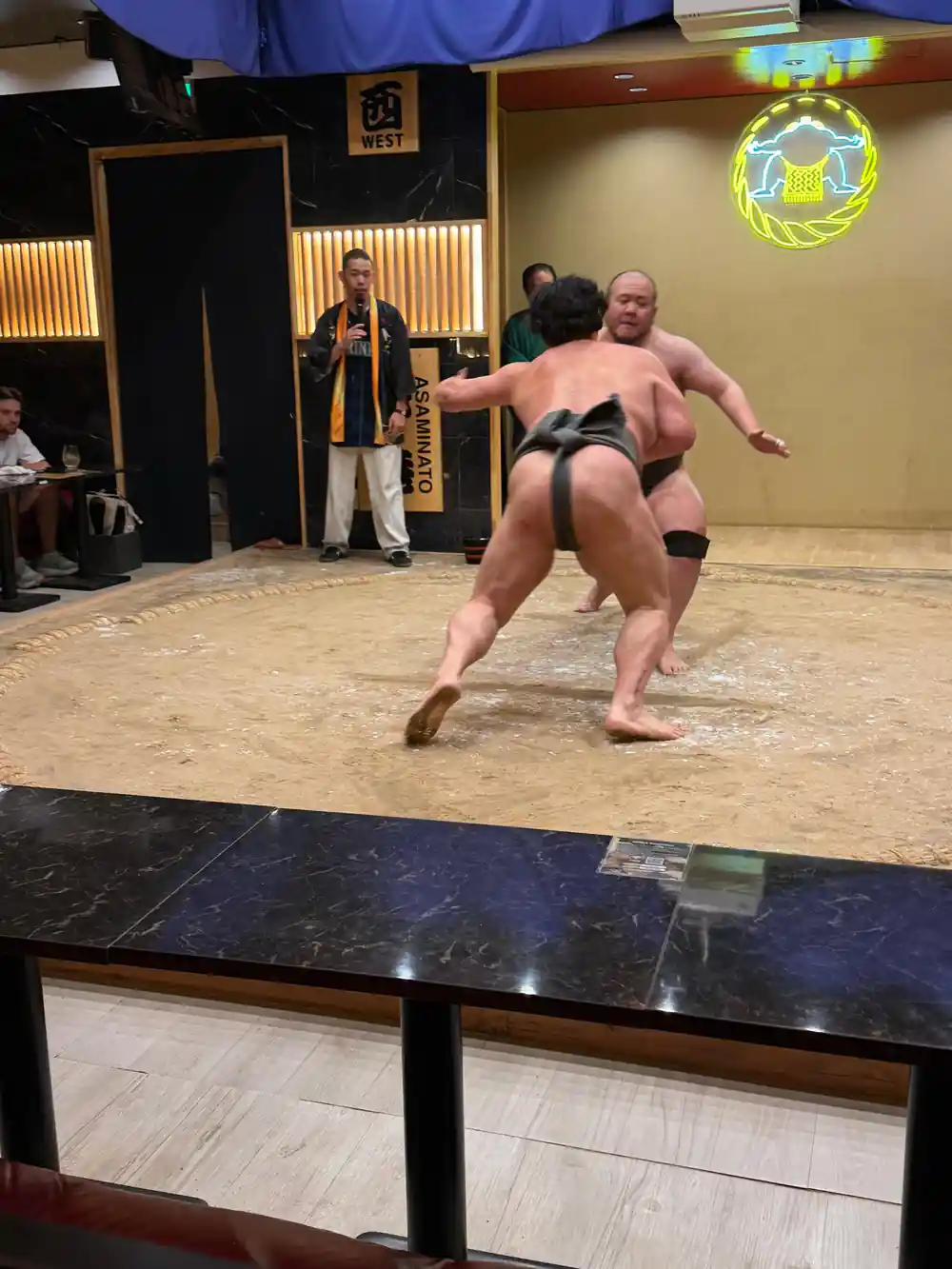
A contest usually lasts only a few seconds,and in rare cases it can take a minute or more.[5] That is the opposite of what most first-time visitors expect. A whole afternoon of sumo is a long,slow,ceremonial event punctuated by short bursts of movement,and those bursts are where everything is settled.
It changes how you watch. You stop waiting for a long exchange and start watchingthe setup:the grip,the lean,the small adjustment of a foot before the charge. Between bouts there is time to look at the ring,the roof and the crowd,and to work out what you just saw. Dress in layers you can shed,and expect to sit for longer than you think.
from US$102
The Tokyo sumo entertainment show with chicken hot pot and geisha runs for2 hours and is rated4.79 from8,004 reviews.[7]
Divisions,ranks and the road to yokozuna
Sumo sorts its wrestlers into six divisions covering ten ranks in total,and only the top division,Makuuchi,is subdivided further,intofive separate ranks.[3] Above every rank sits the yokozuna. As of November2025,exactly 75 wrestlers have attained yokozuna status in sumo history.[4] That is a small number by any measure.
The calendar that produces those rankings is regular. Japan holds six Grand Sumo Tournaments each year,and the January tournament is the first of them.[11] Outside those weeks the daily work carries on in the stables,and that is the sumo you can watch on an ordinary weekday morning,with a stable visit rather than a stadium seat.
The mawashi,the body and the wrestler's diet
Wrestlers compete in a mawashi,the wide belt wrapped around the waist and knotted at the back,andthe grip on that belt is central to a great many techniques. It is a simple piece of kit,and it makes the sport legible:there are no sleeves to grab,no padding and nowhere to hide a hand. The bodies inside it are built for the work. Research from the Keio University Sports Medicine Research Center put the average weight of25 makuuchi wrestlersat161.2 kg(about355 lbs),with an average height of186.3 cm.[12]
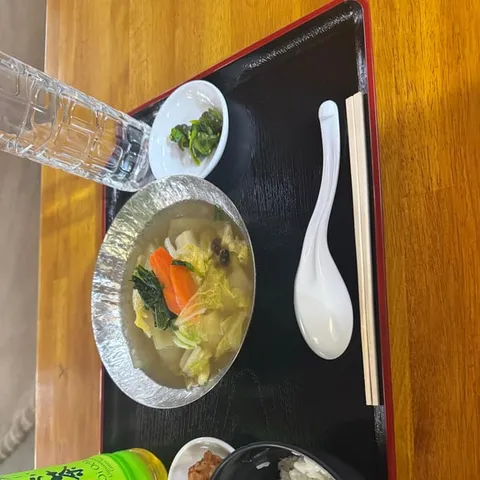
Feeding that size is a job in itself. A rikishi's daily caloric intake ranges from approximately5,000 to8,000 kcal,and can sometimes exceed10,000.[13] You meet the results of that diet in the hot pot served at the Tokyo shows,where chanko-nabe is the meal on the table. Do not plan a large lunch beforehand.
The belt also shapes what you see in the ring. With nothing to grab but cloth,the opening moments of a boutare a scramble for position,and the wrestlers' hands do most of the talking. Nothing about a mawashi is decorative. It is the piece of equipment the sport is built around,and watching how it gets used is the quickest way to understand what the two men are doing.
Where to see sumo wrestling in Japan
Tokyo has the big stage. The Kokugikan National Sumo Arena in Ryogoku,Sumida City,has a capacity of up to10,000,and second-floor B or C arena seats there cost between3,500and5,500 yen.[6][14] They give a clean view of the ring and a sense of how large a sumo crowd can be.
Mornings offer something different. Morning sumo practice typically begins between 5:00 and 7:30 AM and lasts 2 to 4 hours, though the exact start time varies by stable and season.[15] Dress warmly,expect a quiet room,andremember that you are watching people at work rather than a performance.
For an evening out,the entertainment shows are easier to fit in. The Tokyo:Sumo Entertainment Show with Chicken Hot Pot & Geisha runs for2 hours,is rated4.79 from8,004 reviewsand has a from price of US$102,with free cancellation up to24 hours in advance.[7] A Shinjuku sumo show with photos runs1.5 hours from US$65,and a dining show at a historic sumo house runs1.5-2 hours from US$89.[8][9]
How long sumo experiences run,by format
Durations as stated on these GetYourGuide listings:[7][16][17][18][19]
Compare from-prices for sumo experiences
US dollar from-prices for these GetYourGuide listings:[7][8][9][16][20].These listings show one from-price,so adult from-prices are used.
When to book what
Planning your sumo trip
Choose a format
A tournament day,a morning stable visit and a show are different experiences. Decide whether you want competition,ceremony or dinner.
Pick your date
Check availability to see starting times,and note that morning practice begins earlyand varies by stable and season.[15]
Book with flexibility
The hot pot and geisha show offers free cancellation up to24 hours in advance and lets you reserve nowand pay later.[7]
Learn a few techniques
Read up on two or three kimarite before you go. Recognising one live is the moment sumo stops being two men pushing.
Sit as close as you can
In smaller venues the front rows are within sight of the salt on the clay,andthe sound of a boutis the thing you remember.
See live sumo wrestling in Tokyo,with hot pot and a geisha show
from US$102Reserve now & pay later