The essentials
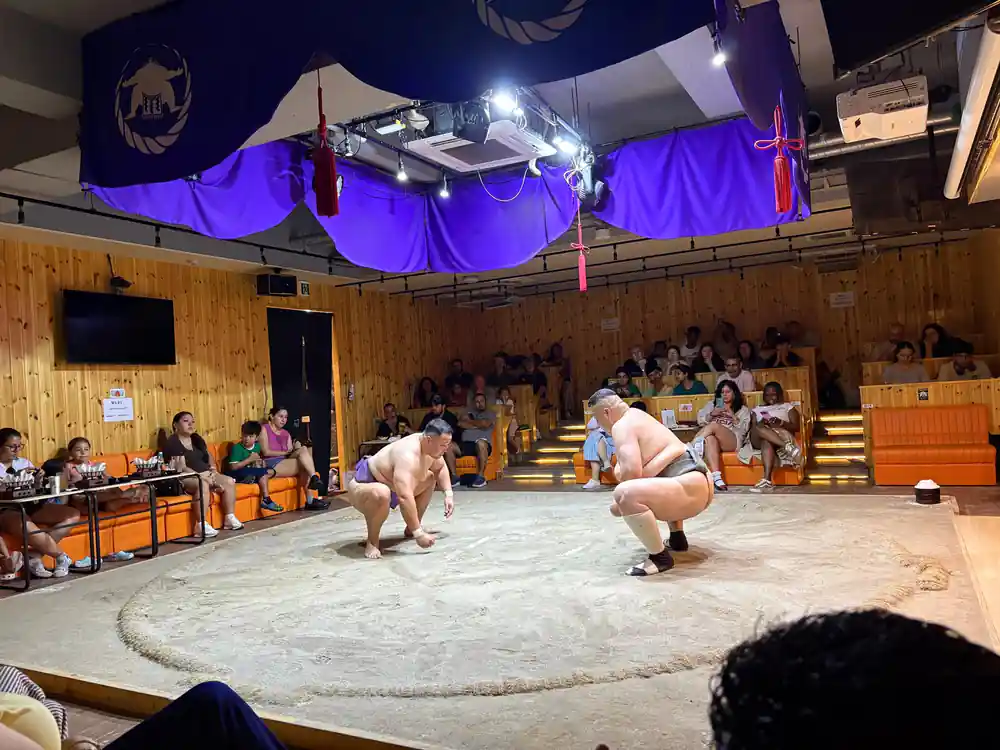
- Wrestlers warm up, stamp, crouch and clash in a working practice ring while trainers call out corrections, and the bouts are short and explosive.
- Practice typically begins between 5:00 and 7:30 AM and lasts 2 to 4 hours, with start times that vary by stable and season.[1]
- Morning practice tours in Tokyo start from US$74, and a premium visit with a seat and audio guide is listed from US$162.[2][3]
- Many listings offer reserve now and pay later with free cancellation up to 24 hours in advance.[4]
- After the morning visit, the Sumo Entertainment Show with chicken hot pot and geisha runs 2 hours from US$102.[5]
- Top choice Sumo Show & Geisha Hot Pot from US$102 Rating4.79 from 8,004 reviews[5]Duration2 hours[5]Good to knowSmall group available[5]CancellationFree cancellation up to 24 hours[5] Check availability
- Morning Practice Viewing from US$102 Rating4.78 from 720 reviews[4]Duration1.5 - 2 hours[4]Good to knowLive tour guide: English[4]CancellationFree cancellation up to 24 hours[4] See this tour
- Sumo Show & Dining House from US$89 Rating4.80 from 3,454 reviews[6]Duration1.5 - 2 hours[6]Good to knowWheelchair accessible[6]CancellationFree cancellation up to 24 hours[6] See this tour
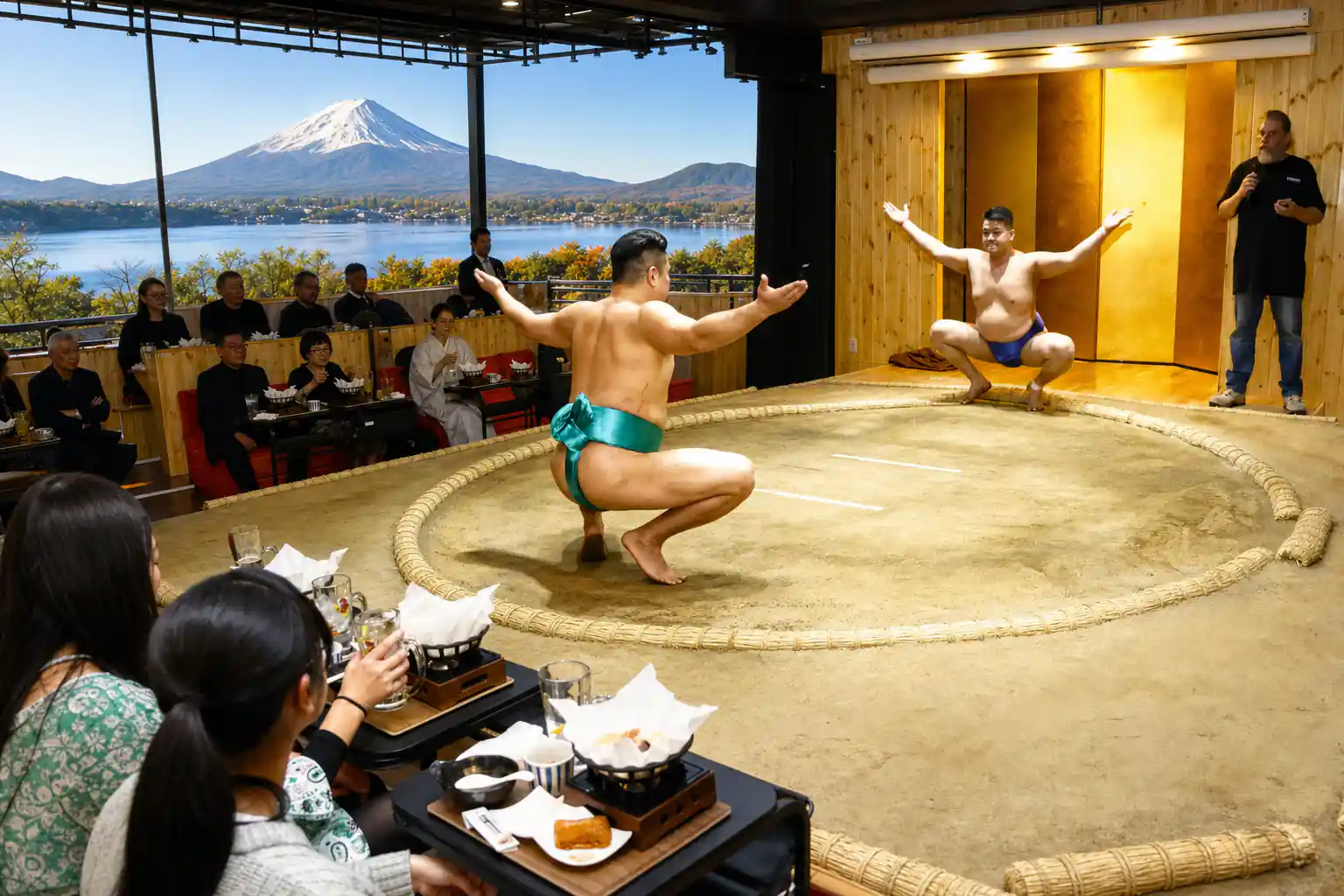
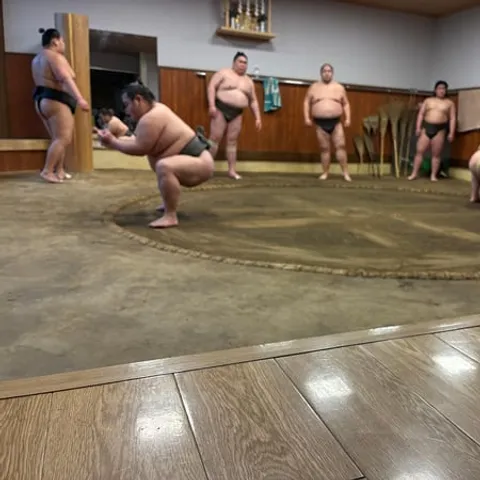
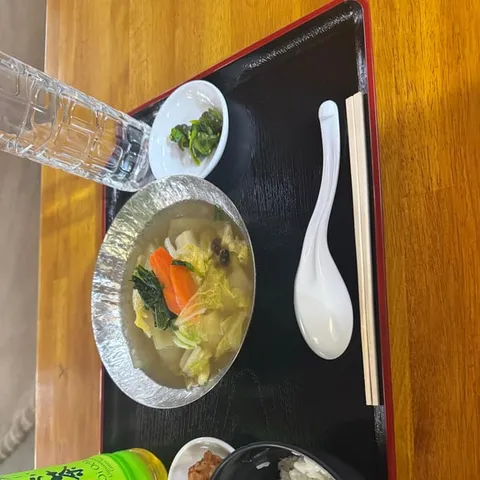
Morning practice typically begins between 5:00-7:30 AM and continues for 2-4 hours. The exact start time varies by stable and season.
Is a Tokyo sumo morning practice tour worth it?
Booking notes
On the morning
- Arrive before the first bout; the room goes quiet once training starts
- Stay seated, keep phones silent and skip flash photography
- Dress in layers; practice halls run cold in winter and warm in summer
- Wheelchair accessible options exist, including a 3 hour morning practice tour[9]
What a Tokyo sumo morning practice really looks like
A sumo stable is easy to walk past. There is a plain door, a nameplate, bicycles parked at odd angles and, inside, a clay ring under a high ceiling with wooden beams and a hush that feels strange in a room full of very large men. Wrestlers arrive in ones and twos, stretch, tie their hair and begin the slow routine of stamps, squats and shoves. Trainers sit at the edge of the ring and call out in short, sharp bursts. Nobody explains anything unless you have a guide, and the quiet is part of the experience.
Morning practice typically begins between 5:00 and 7:30 AM and lasts 2 to 4 hours, and the exact start time varies by stable and season.[1] A tour takes the guesswork out of that: the operator holds the slot, the seating and the arrangement with the stable, and you turn up when your booking says. Bring nothing noisy, keep your phone silent, sit still and let the room settle into its rhythm. Guests usually sit on cushions at the edge of the practice room, close enough to hear the trainers and feel the floor shake.
What you will not get is commentary, a scoreboard or a warm-up act. Practice is work, and the wrestlers are not performing for you. Sitting quietly through a session is the trade you make, and you can pair a morning visit with a staged show later the same day to see both sides of the sport.
The rhythm of a sumo morning at a stable
The session builds slowly. Wrestlers start with shiko, lifting each leg high and stamping it down, then work through stretches and pushing drills before the first proper bouts. Those bouts are usually over in a heartbeat: a contest usually lasts only a few seconds, but in rare cases can take a minute or more.[10] What looks like a simple shove is a contest of balance, grip and leverage, and the loudest sound in the room is two bodies meeting.
The bodies doing this are not ordinary. According to research by the Keio University Sports Medicine Research Center, the average weight of 25 makuuchi wrestlers was 161.2 kg (about 355 lbs), with an average height of 186.3 cm.[11] A rikishi's daily caloric intake ranges from approximately 5,000 to 8,000 kcal, and can sometimes exceed 10,000.[12] Watching that much mass move with that much control is a different pleasure from watching a staged show, and it is over far sooner than you expect.
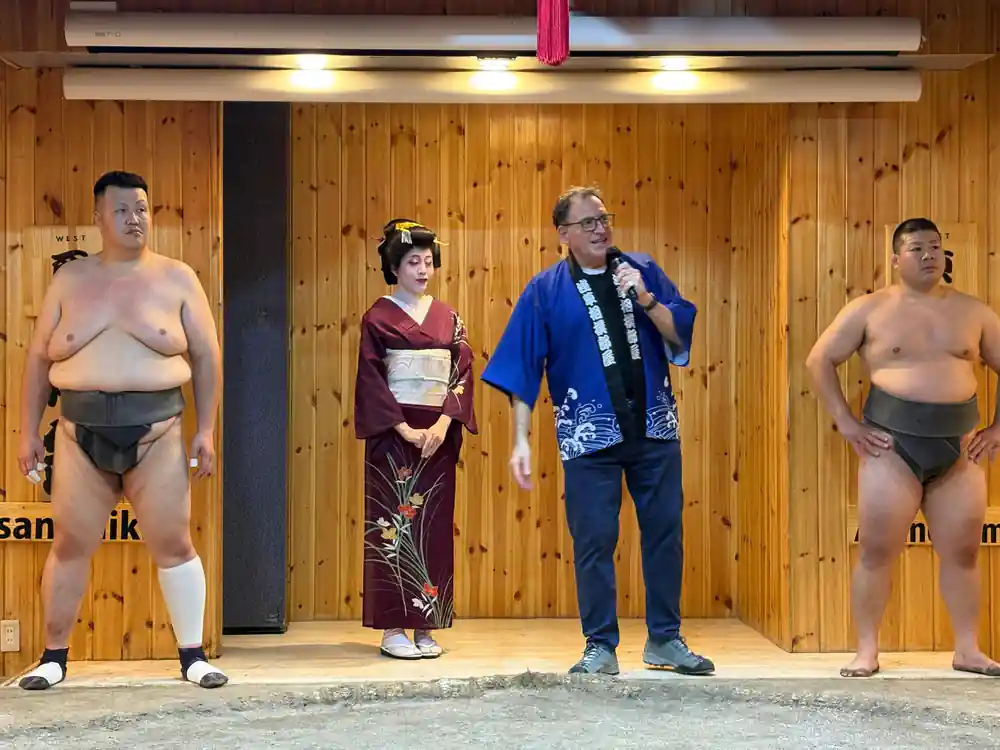
Clay ring, early light: a stable gets to work before the city wakes
Booking a Tokyo sumo morning practice tour
Several operators run stable visits, and the choice comes down to how long you want to stay and how close you want to sit. A Tokyo sumo morning practice tour can be as short as an hour: the Sumo Morning Training Visit runs 1 hour from US$76 and is rated 4.40 from 378 reviews.[8] The Sumo Morning Practice Viewing Tour takes 1.5 to 2 hours from US$102 and is rated 4.78 from 720 reviews,[4] while the Sumo Morning Practice Viewing Tour at a Real Stable takes 2 hours from US$91 and is rated 4.91 from 70 reviews.[13]
If you want to do more than watch, the Sumo Morning Practice: Viewing & Exclusive Interaction runs 3 hours from US$92 and is rated 4.93 from 107 reviews.[14] Group sizes stay small on some listings, including one limited to 9 participants,[7] and a stable visit near Tokyo Skytree is listed from US$74, rated 4.89 from 30 reviews.[2] Cancellation terms are not identical: the 1 hour visit offers free cancellation up to 11 days in advance,[8] while several others offer free cancellation up to 24 hours in advance.[4]
Two more listings suit different budgets. A small group visit limited to 10 participants runs 2 to 3 hours from US$89,[15] and a premium version with a seat and an audio guide takes 2 hours from US$162.[3] If you have only one morning in the city, book the earliest slot you can manage and leave the rest of the day free.
What a guide adds on a Tokyo sumo training tour
From the outside, a stable session can look like a dozen men doing chores at speed. A guide turns it into a contest you can follow. Sumo sorts its wrestlers into six divisions covering ten ranks in total, and only the top division, Makuuchi, is subdivided further into five separate ranks.[16] So the man being pushed across the clay may be a rookie or a rising star, and a good guide will tell you which is which and what the trainer is shouting about.
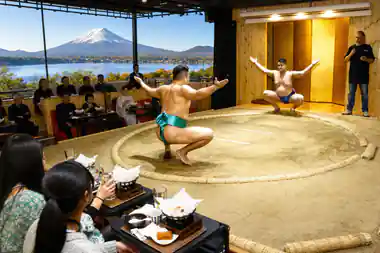
There are 82 kimarite, or match winning techniques, and 5 non-techniques or ways to lose in sumo, all defined by the Japan Sumo Association.[17] You will not count them all in one morning, but once someone names a throw you start to see the pattern. You may also catch the ritual that opens a bout: the wrestler performs chiri-chozu, squatting low with both arms extended to the sides and palms turned upward to show the gods and his opponent that his hands hold no weapons, and then he throws salt.[18]
Between bouts there is plenty to watch that needs no explanation: the referee in robes, the swept clay, the towels, the water bucket and the way a trainer steps in to reset a stance with a word and a hand. Guides usually keep their voices low and save the talking for the walk out, so the room stays as close to normal as a visit can be.
from US$102
The Sumo Entertainment Show with chicken hot pot and geisha, booked from this site, is rated 4.79 from 8,004 reviews and runs 2 hours.[5]
Tokyo sumo beya: inside a working stable
A beya is a stable in the old sense of the word: a house where wrestlers live, eat, sleep and train under one master. Mornings are the working part of the day, and the room fills long before the city's trains get busy. You will usually see the practice room, the entrance and the lanes around the building rather than the kitchens and sleeping quarters.
Most Tokyo stables sit in the old sumo quarter around Ryogoku and Sumida, where the Kokugikan National Sumo Arena in Ryogoku, Sumida City, Tokyo, has a capacity of up to 10,000.[19] When a tournament is in town the neighbourhood fills with banners, snack stalls and fans, and the arena becomes the centre of the sport for the run of the tournament. Outside those weeks the same streets are quiet, and a morning visit gets you close to the sport without a tournament ticket.
Adding a sumo show to a morning in Tokyo
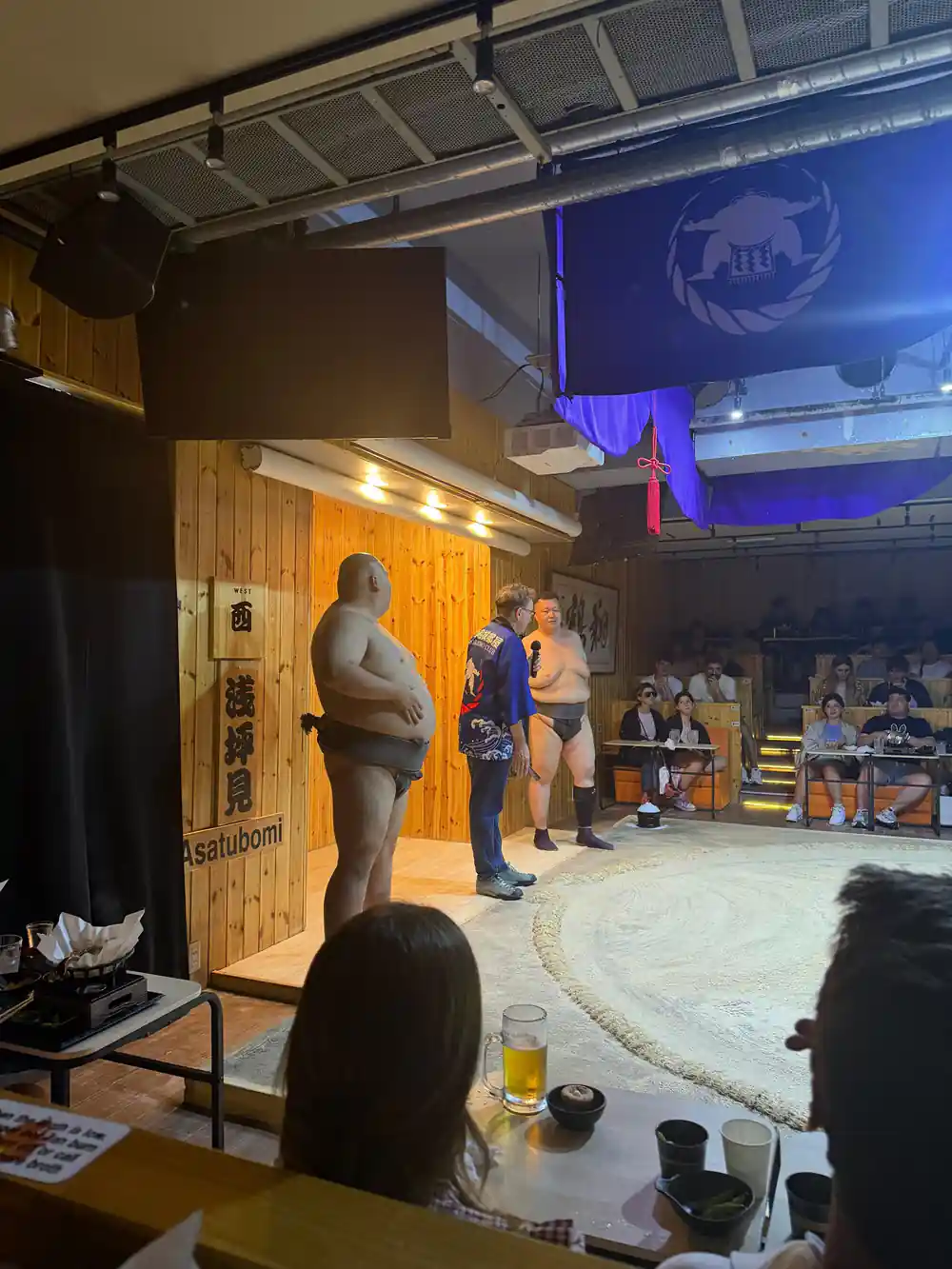
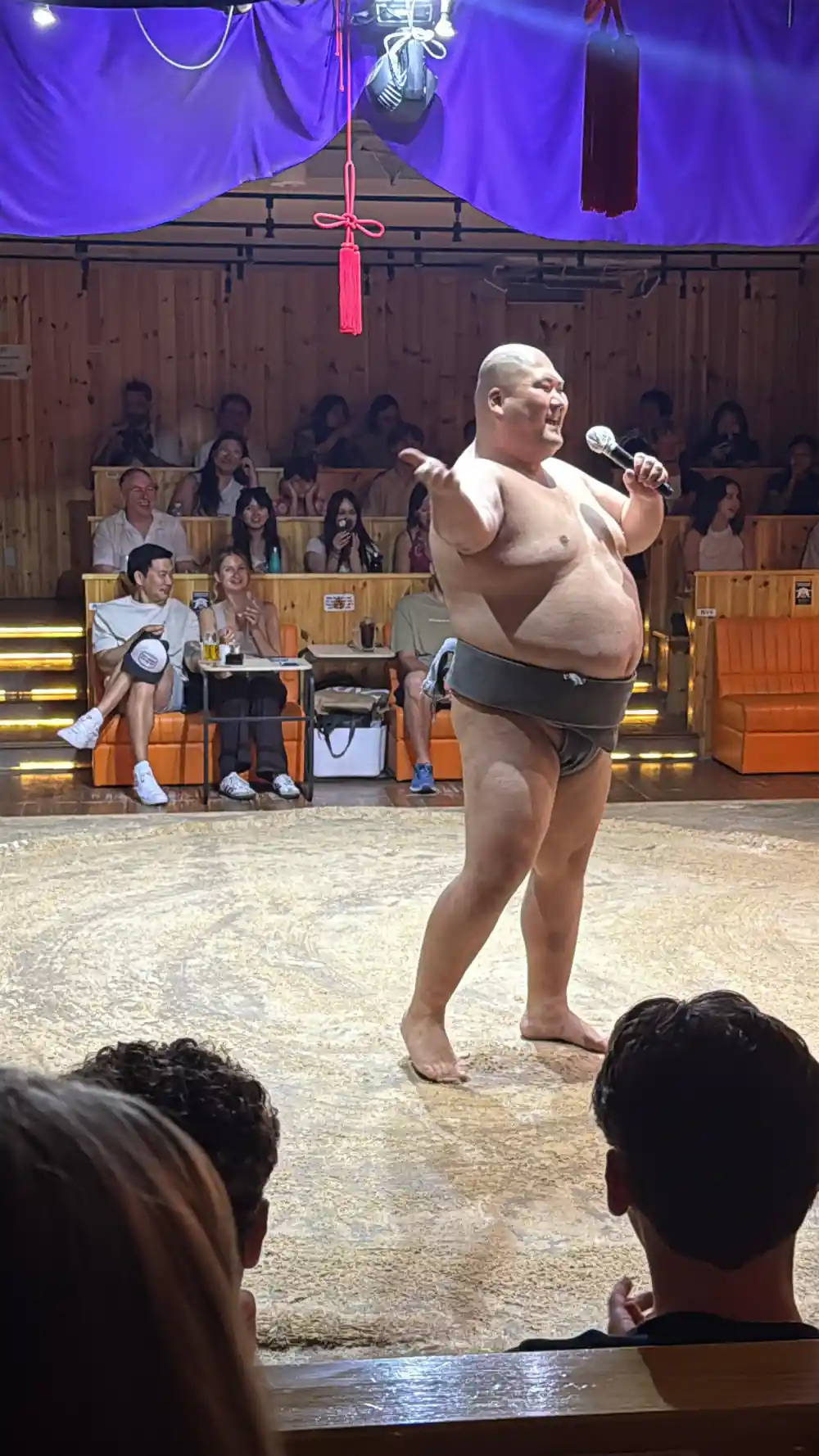
Mornings are for the sport and evenings are for the spectacle. The Tokyo: Sumo Entertainment Show with Chicken Hot Pot & Geisha, booked from this site, runs 2 hours from US$102 and is rated 4.79 from 8,004 reviews, with a small group available and is wheelchair accessible.[5] That listing offers reserve now and pay later and free cancellation up to 24 hours in advance.[5]
Other shows in the city include the Shinjuku Sumo Show & Experience with Photo, 1.5 hours from US$65 and rated 4.84 from 7,180 reviews,[20] the Sumo Show & Dining Experience at a Historic Sumo House, 1.5 to 2 hours from US$89 and rated 4.80 from 3,454 reviews,[6] and the Ginza Show with Live Performance & Photo Experience, 1.5 hours from US$61 and rated 4.57 from 1,459 reviews.[21]
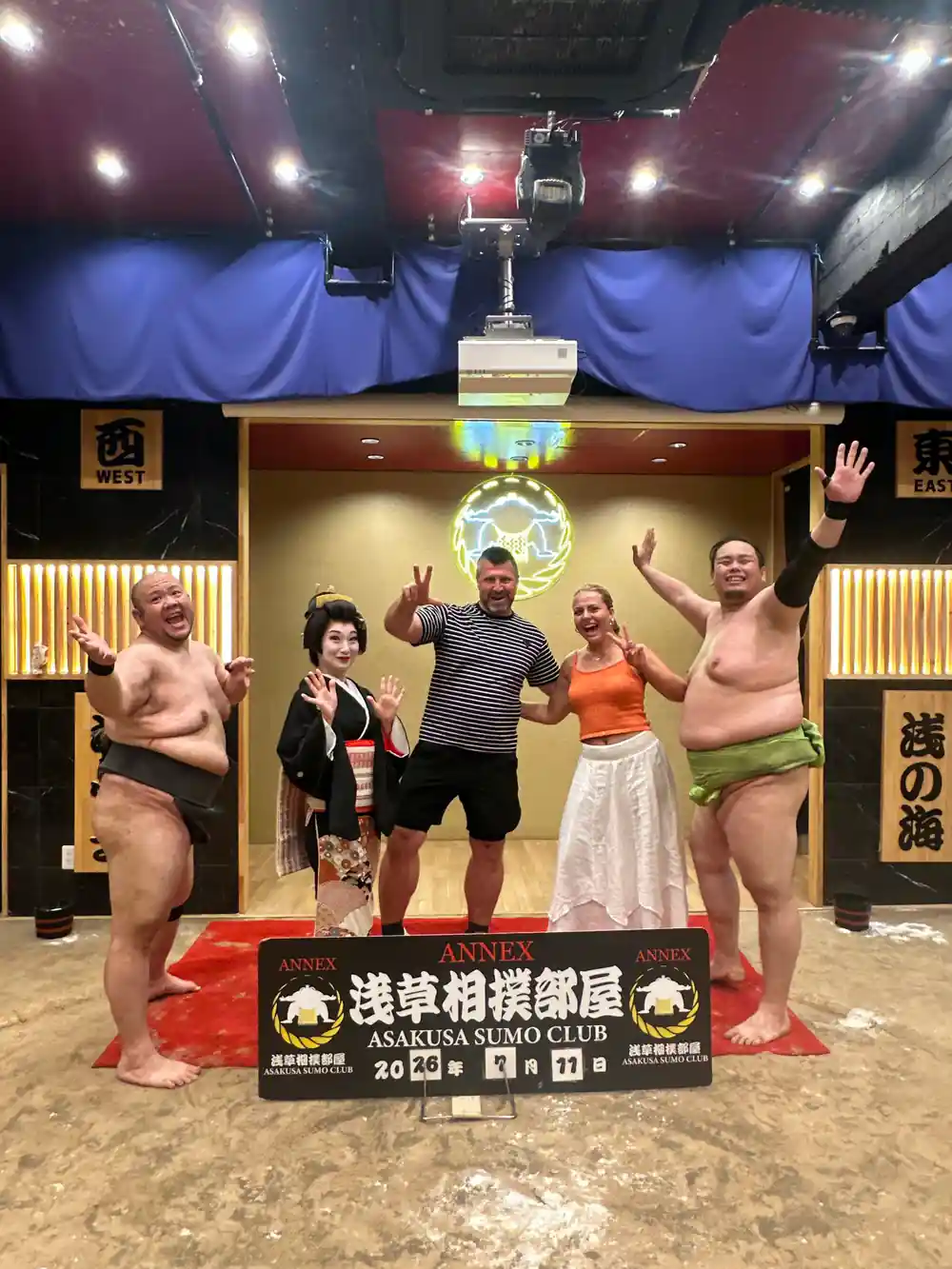
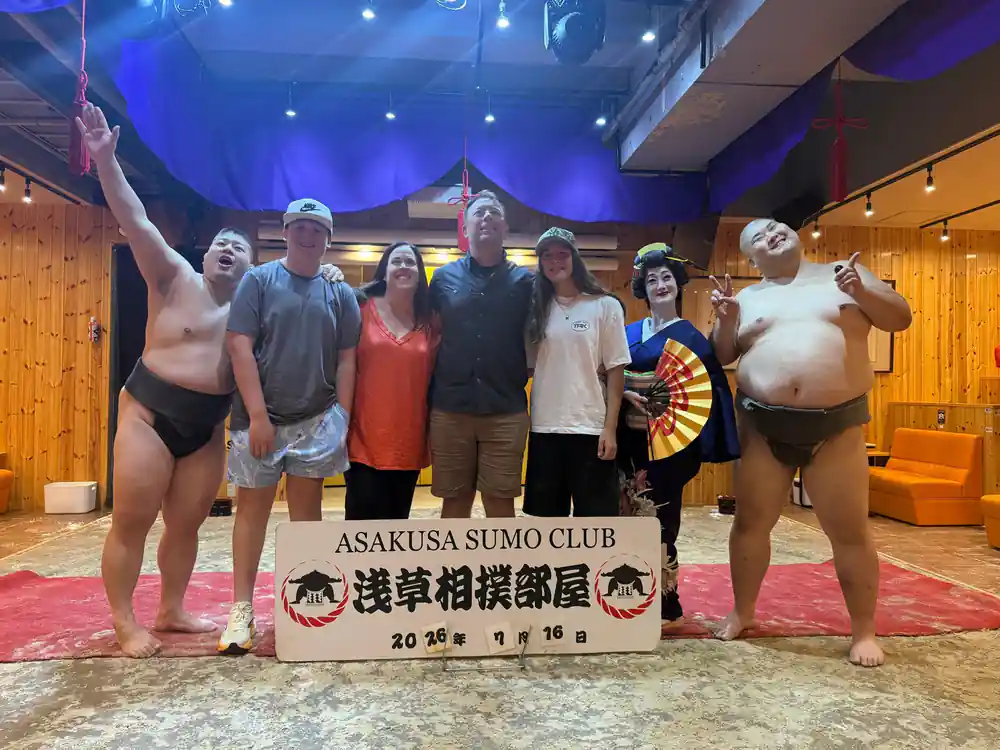
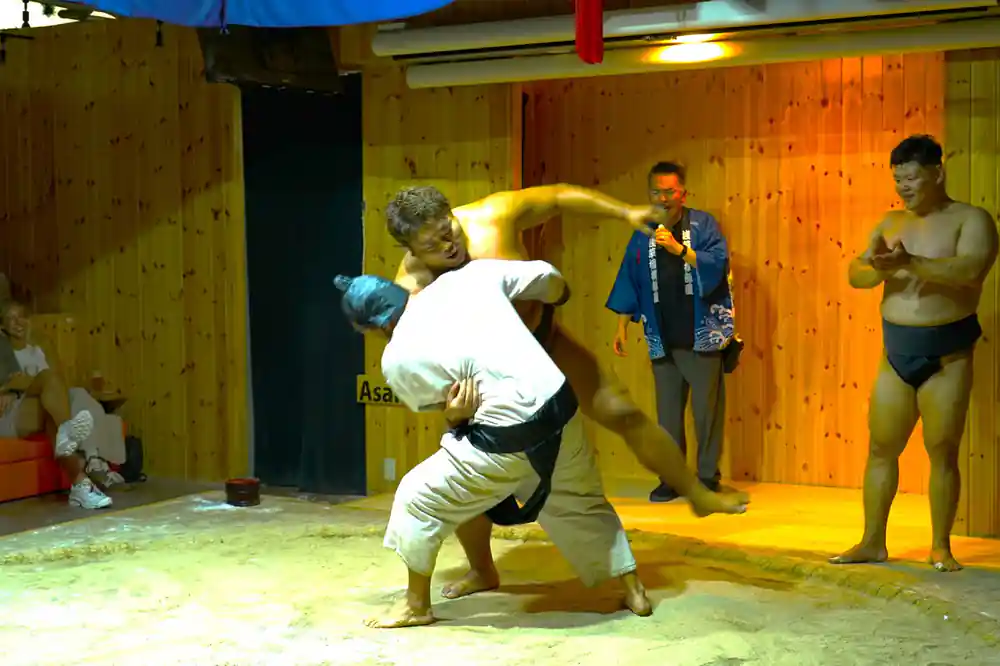
A show is the comfortable option: a ring, a meal in front of you, a bit of theatre and usually a chance to step into the ring or pose for a photo. After a dark, quiet morning at a stable it lands differently, and the two together give you the sport and the story around it in a single day.
When to go, what to wear and what to book
Japan holds six Grand Sumo Tournaments each year, with the January tournament being the first of them,[22] and the top rank stays rare: as of November 2025, exactly 75 wrestlers have attained yokozuna status in sumo history.[23] Tournament tickets are their own project. Second-floor B or C arena seats cost between 3,500 and 5,500 yen.[24] Guided tournament visits are listed from US$159 for a 4 hour tour rated 4.78 from 88 reviews,[25] and a September, 2026 viewing tour runs 5 hours from US$111, rated 4.48 from 141 reviews, with a non-refundable policy.[26]
Professional sumo began in the Edo period (1603-1867), when matches were held to raise money to construct shrines and temples or to replace bridges, and professional wrestlers grew out of that circuit.[27] Dress for a cold room in winter and a warm one in summer, choose socks you can slip off easily, and keep bags small. If your plans might change, look for reserve now and pay later and free cancellation up to 24 hours in advance on the listing.[5]
Build the day around the practice, not the other way round. Book the stable visit first, add a show or a tournament for the evening, and leave a slow afternoon in between. A cushion, a low voice and an early alarm are the whole kit.
From prices for Tokyo sumo tours
Bars show from prices in US dollars for these GetYourGuide listings:[3][5][13][14][20].
Compare from prices per person
When to book and when to go
How to plan your morning
Choose your morning
Decide between a pure practice visit, one with ring time, or a show with a meal. Morning listings in Tokyo start from US$74.[2]
Book the slot
Practice can start between 5:00 and 7:30 AM, and times vary by stable and season, so confirm the start time on your booking.[1]
Plan the journey
Stables sit around Ryogoku and Sumida, so allow extra time on early trains and arrive before the room fills.
Watch and listen
Sit still, keep phones silent and skip flash photography. Guides usually explain the action after the session.
Add a show
Pair the morning with the Tokyo Sumo Entertainment Show, 2 hours from US$102, rated 4.79 from 8,004 reviews.[5]
See the Sumo Entertainment Show with Chicken Hot Pot & Geisha
from US$102Reserve now & pay later