The essentials
- A sumo dinner show pairs a live performance in a small hall with a set meal, so the evening is about food and ritual rather than a scoreboard.
- Tokyo: Sumo Live Show & Authentic Kaiseki Dinner in Ginza runs 2 hours and costs from US$121, rated 4.57 from 51 reviews.[1]
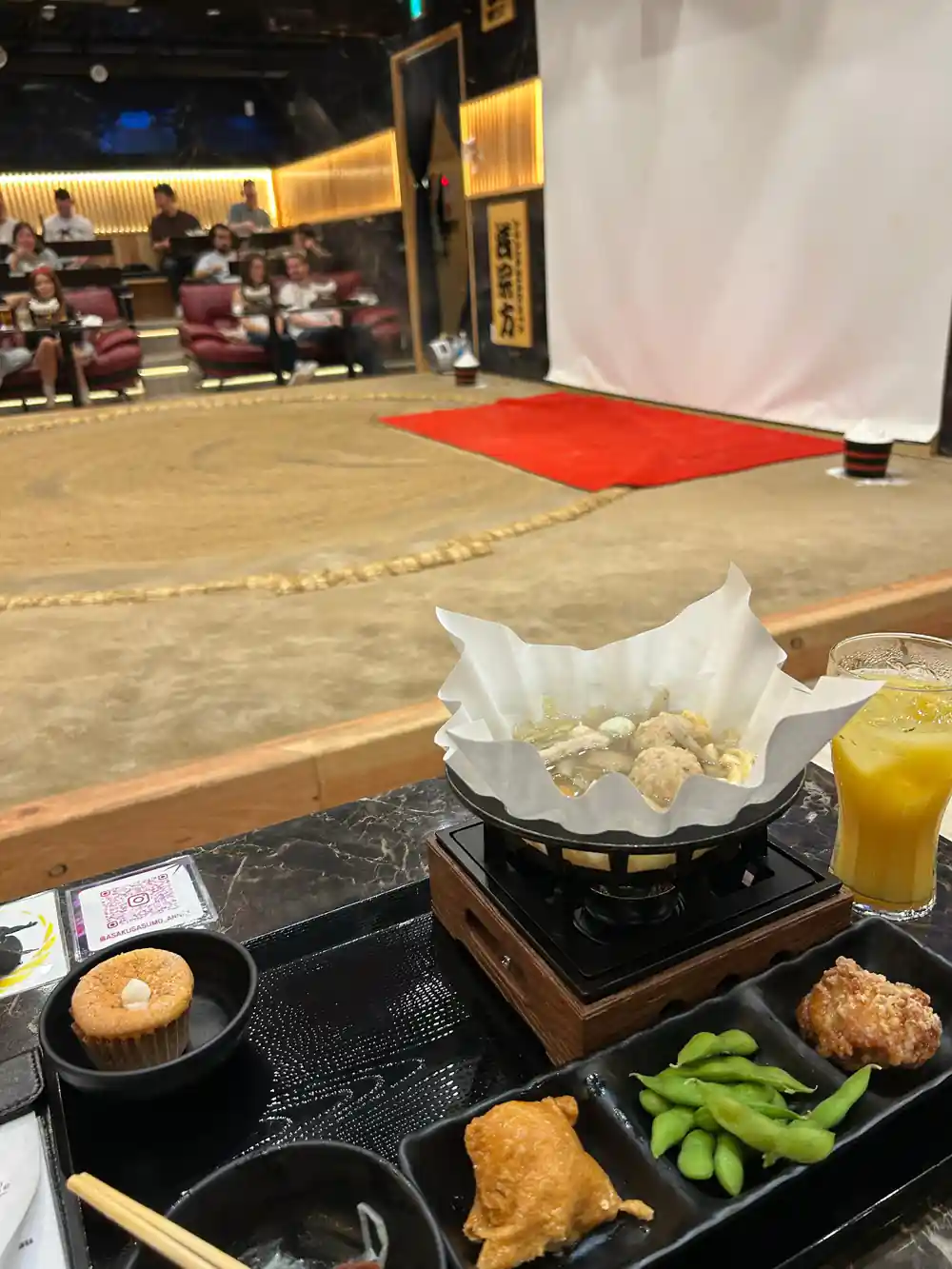
- Expect hot pot, a kaiseki sequence or a set lunch depending on the listing, with dishes built for appetite rather than delicacy.
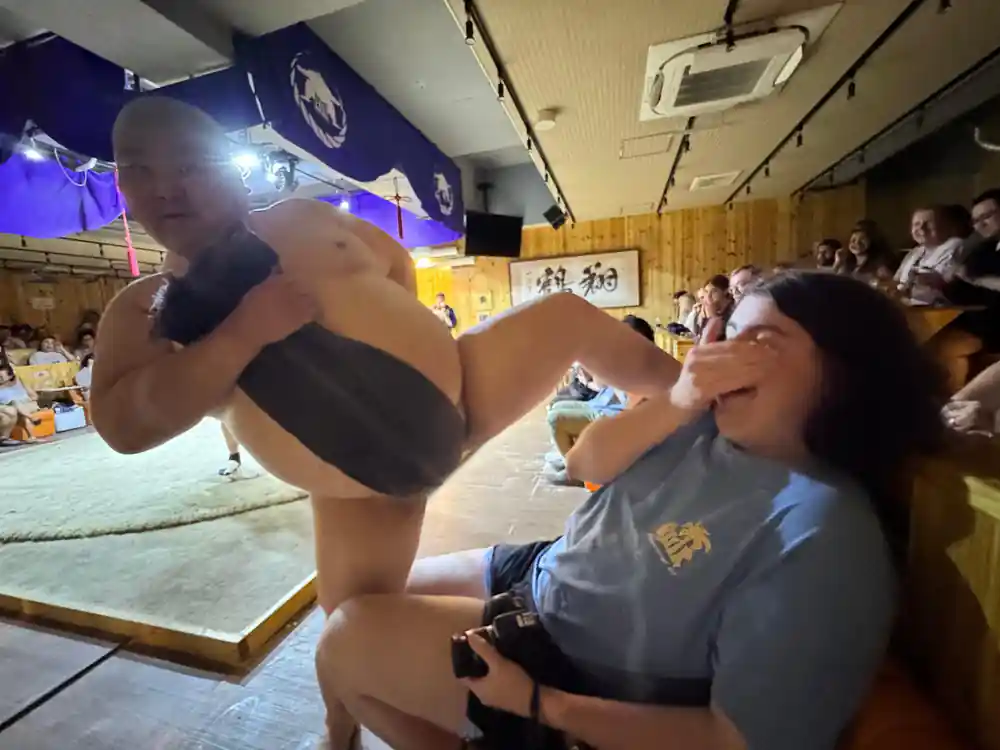
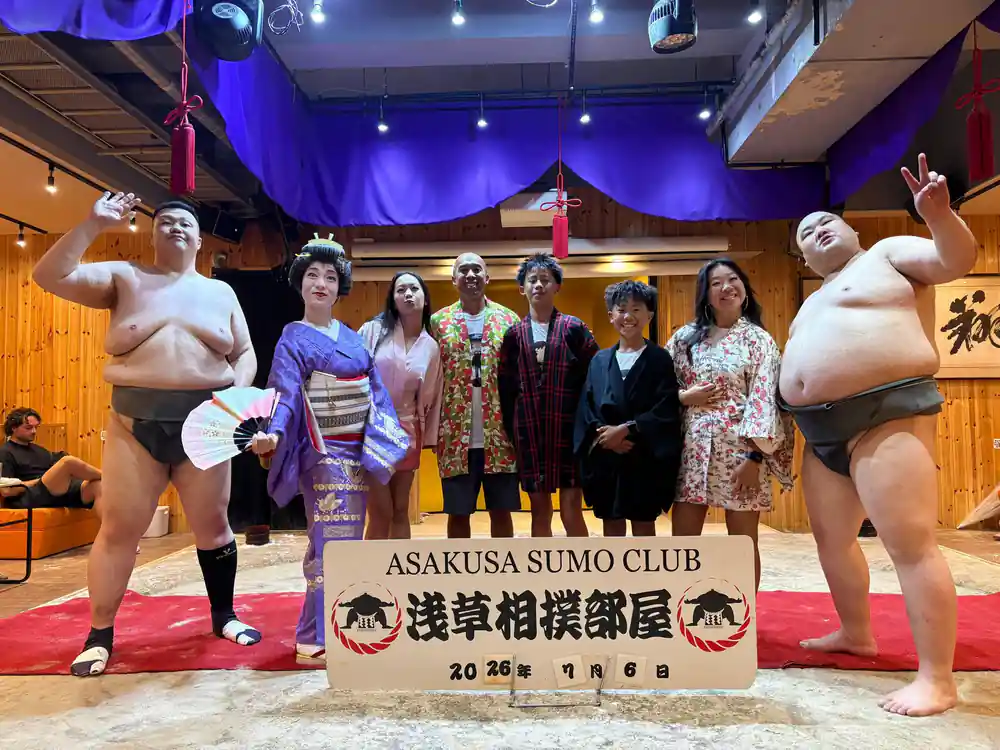
- Small venues put you near the clay, so the salt throw, the crouch at the start line and the photo moments all happen within a few metres.
- The Ginza kaiseki show is non-refundable, while many other Tokyo sumo shows can be cancelled up to 24 hours ahead for a full refund.[2]
| Ginza kaiseki dinner | Chicken hot pot & geisha | Family workshop lunch | |
|---|---|---|---|
| From | from US$121[1] | from US$102[2] | from US$62[3] |
| Duration | 2 hours[1] | 2 hours[2] | 2 hours[3] |
| Rating | 4.57 from 51 reviews[1] | 4.79 from 8,004 reviews[2] | 4.90 from 430 reviews[3] |
| Meal | Kaiseki dinner | Chicken hot pot | Lunch |
| Cancellation | This activity is non-refundable[1] | Cancel up to 24 hours in advance[2] | Cancel up to 24 hours in advance[3] |
He then performs chiri-chozu : squatting low, extending both arms to the sides with palms turned upward, demonstrating to the gods and his opponent alike that his hands hold no weapons. He throws salt.
Our verdict: the Ginza kaiseki dinner show
Booking notes
- Check available starting times for your date before you build the rest of the day around the show.
- Treat every price as a from price, shown in US dollars on the listing.
- Read the cancellation line carefully; policies differ from listing to listing.
- Reserve in advance for weekend evenings and holiday periods, when set show times go first.
On the night
- Arrive early so you can settle in and find your seat before the first bout.
- The ring is close in these venues, so photos come out well from most seats.
- Wear something comfortable and easy to move in if you want to step into the ring.
- Some Tokyo sumo shows are wheelchair accessible, so check the listing if you need step-free access.
What a Tokyo sumo dinner show really is
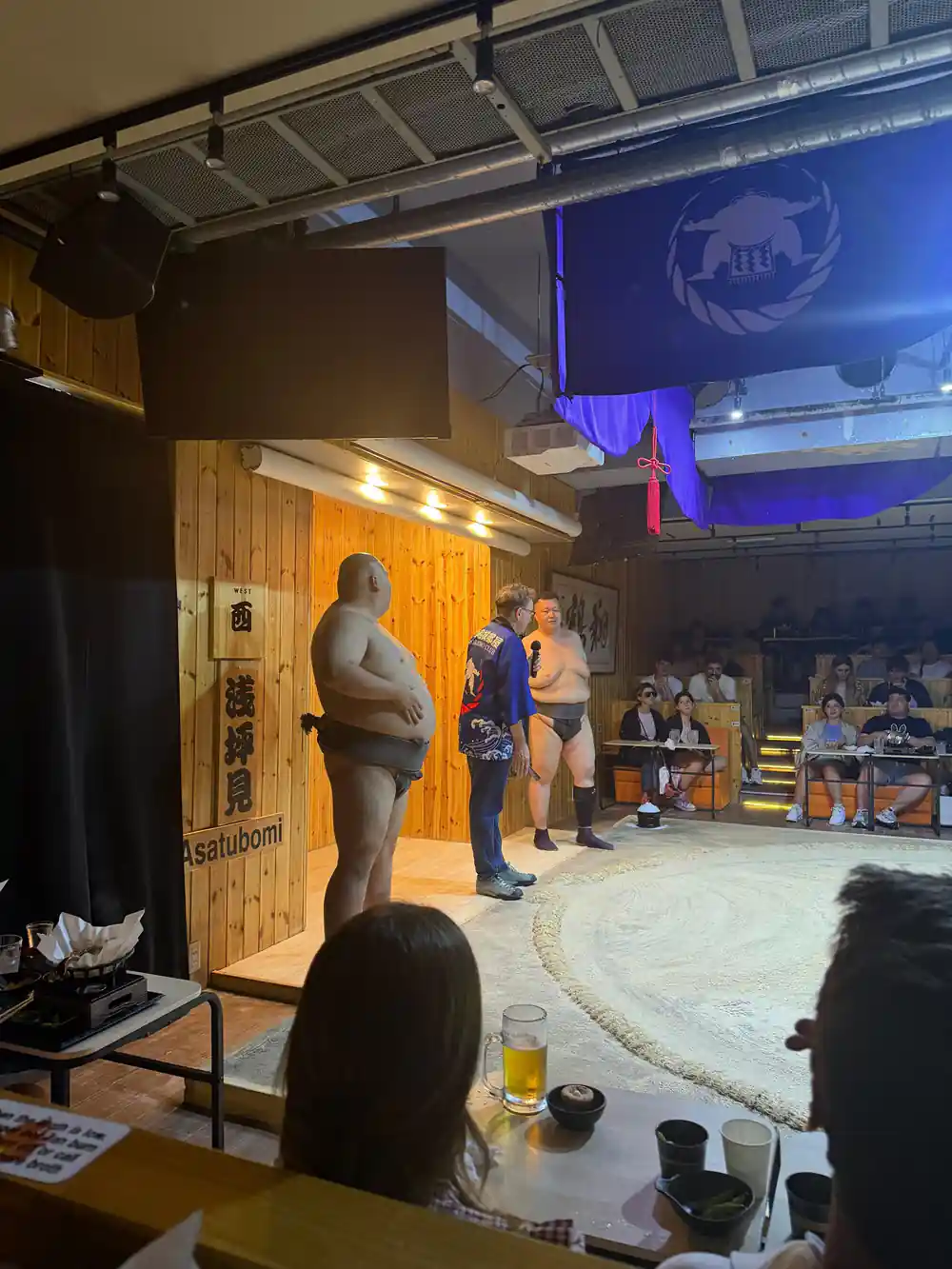
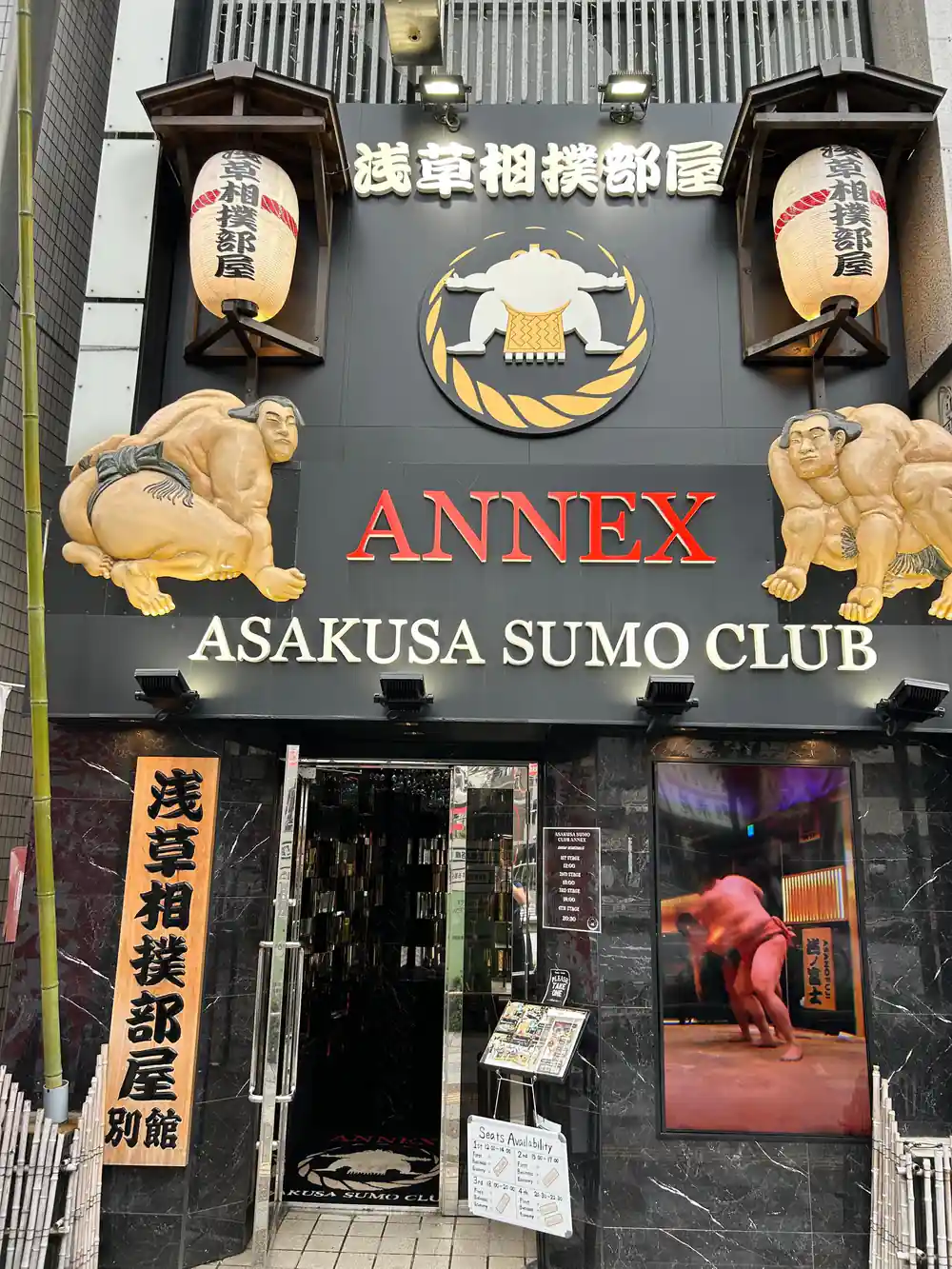
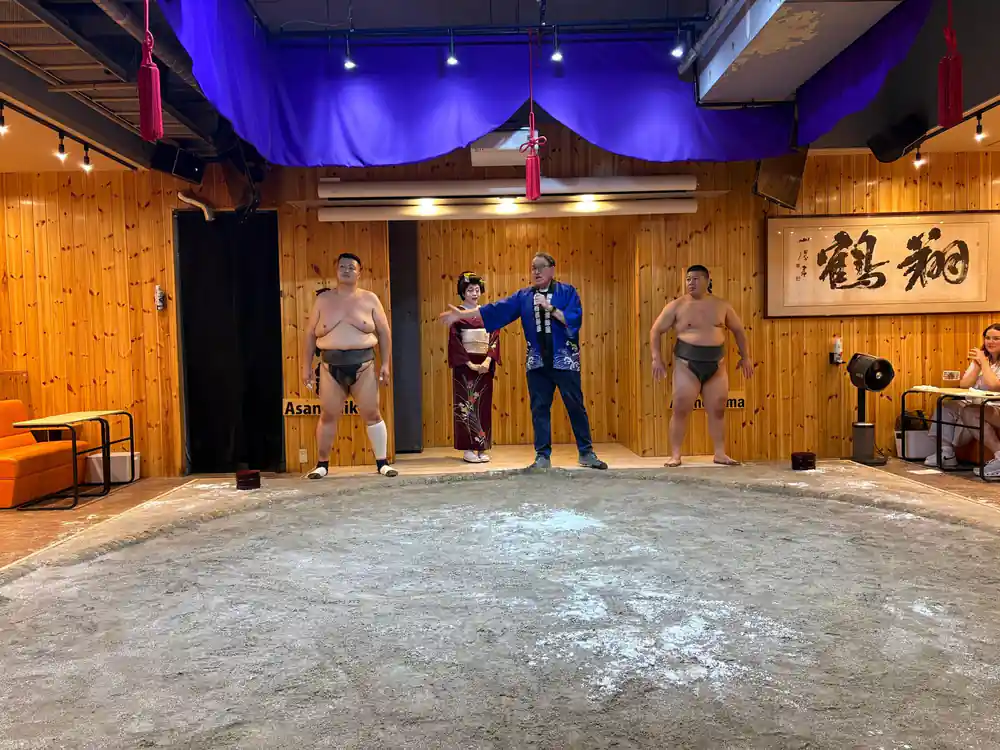
A sumo dinner show is not a tournament. It is an evening in a hall where retired and active wrestlers run through the rituals of the sport for an audience seated close enough to see the salt land on the clay. Dinner comes with it, usually chanko nabe or a set menu, and the whole thing is built for travellers who want context rather than a scoreboard. Expect English explanations, demonstration bouts, a ring you may be invited into, and plenty of photographs. Nothing about it feels like a stadium; you are close to the clay, the straw and the noise.
Tokyo has several of these shows, and they differ most in the food and in how much time you spend in the ring yourself. Some are small group evenings with a hot pot at the table, some are family workshops with a lunch built into the format, and a few are full dinner performances in Ginza with a kaiseki menu. Choosing between them is mostly a question of meal, timing and how hands-on you want the night to be.
The Ginza dinner show to book
Tokyo: Sumo Live Show & Authentic Kaiseki Dinner in Ginza runs 2 hours and costs from US$121.[1] It is rated 4.57 from 51 reviews.[1] The format is a live show rather than a training visit, so expect staged bouts, ritual and commentary alongside a kaiseki dinner. Check availability to see starting times.[1] If you have one free evening in Tokyo and want sumo with a proper dinner, this does both in a single booking.
Ginza is easy to reach from most central hotels, and a two hour show drops neatly into an evening without wiping out the next morning. One detail worth weighing before you pay: the cancellation policy on this listing is that this activity is non-refundable.[1] If your dates are still moving, look instead at a listing that can be cancelled up to 24 hours in advance for a full refund.[2]
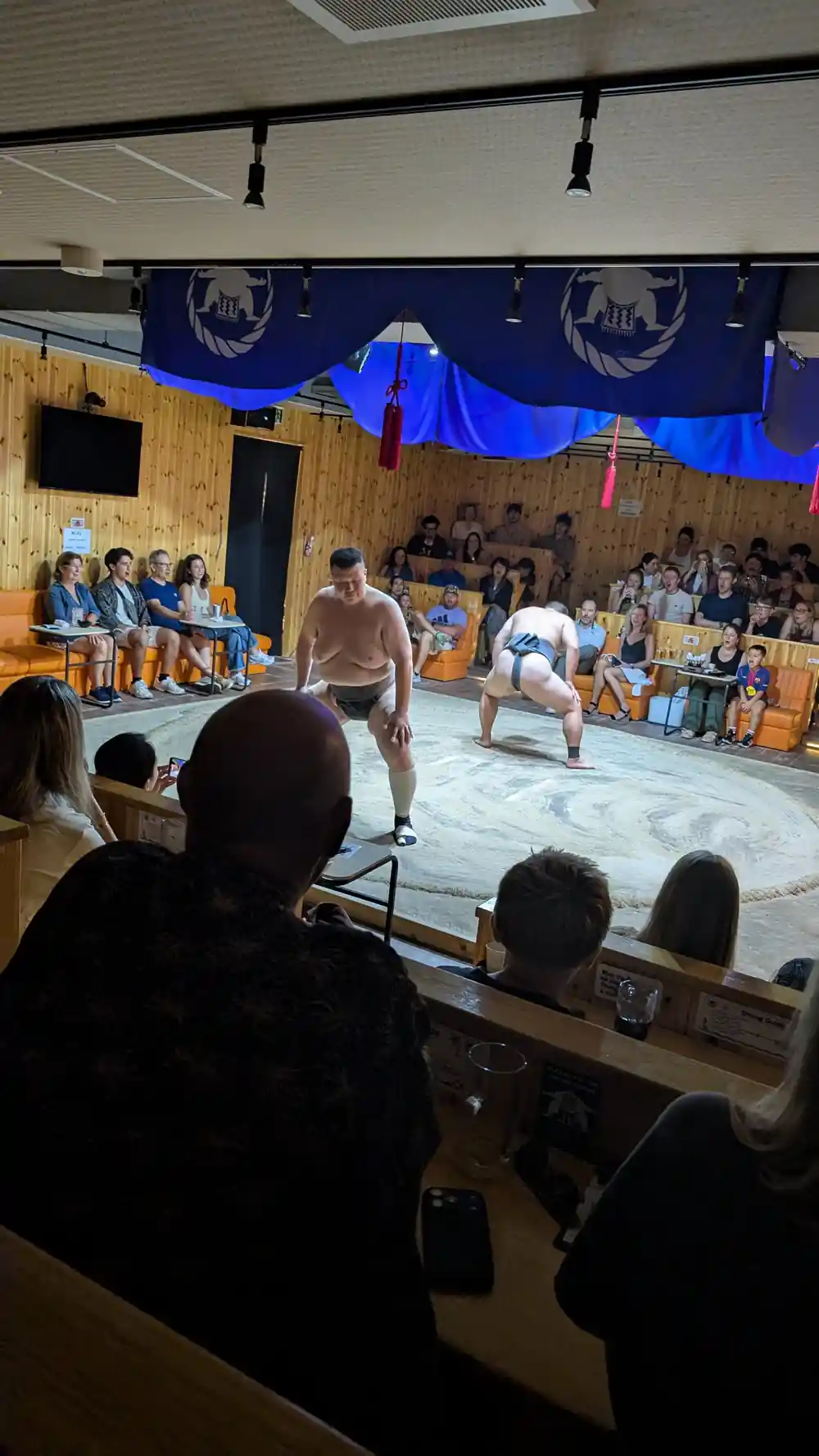
Wrestlers take the ring at a Tokyo sumo show before the evening meal is served.
Chanko nabe, kaiseki and what wrestlers eat
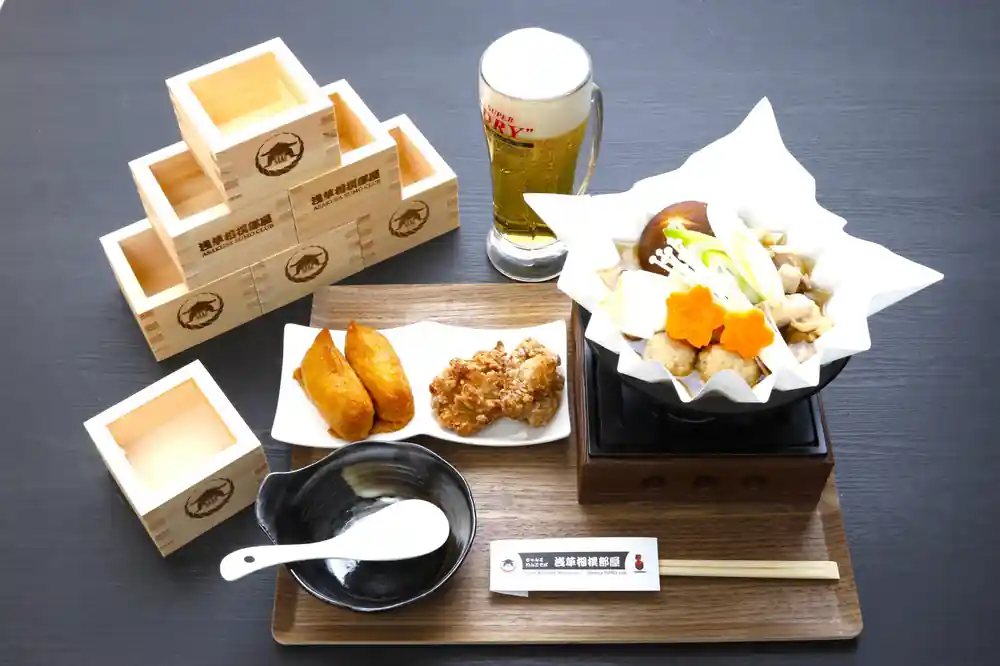
Chanko nabe is the dish most associated with sumo: a hot pot of chicken, vegetables, tofu and stock, simmered at the table and eaten in quantity. Chicken is the traditional base and the pot is made to be shared. A rikishi's daily caloric intake ranges from approximately 5,000 to 8,000 kcal, and can sometimes exceed 10,000.[4] Stables cook it in very large pots, and the versions served at shows taste much like the original.
A dinner show serves a version of that food. In Ginza the menu is kaiseki, a set sequence of small courses that moves from cold dishes to something warm and savoury at the end. Other Tokyo listings go the hot pot route, and some add mochi or a small gift to take home. Kaiseki is a slower, course-by-course meal, which suits an evening built around a performance. Portions tend to be generous, and at most shows the food arrives around the bouts rather than all at once.
How a sumo bout actually works
A contest usually lasts only a few seconds, but in rare cases it can take a minute or more.[5] Most of what you watch is the build-up rather than the bout. Before a bout the wrestler performs chiri-chozu, squatting low with both arms extended to the sides and palms turned upward, showing the gods and his opponent that his hands hold no weapons, and then throws salt.[6]
Sumo sorts its wrestlers into six divisions covering ten ranks in total, and only the top division, Makuuchi, is subdivided further into five separate ranks.[7] The sport recognises 82 kimarite, or match winning techniques, and 5 non-techniques or ways to lose, all defined by the Japan Sumo Association.[8] Commentary at a show usually picks out a few of these as the bouts go on.
The men in the ring are heavy. Research by the Keio University Sports Medicine Research Center put the average weight of 25 makuuchi wrestlers at 161.2 kg (about 355 lbs), with an average height of 186.3 cm.[9] As of November 2025, exactly 75 wrestlers have attained yokozuna status in sumo history.[10]
from US$121
Tokyo: Sumo Live Show & Authentic Kaiseki Dinner in Ginza runs 2 hours and is rated 4.57 from 51 reviews.[1]
Other Tokyo sumo shows with dinner
For a sumo show with dinner Tokyo offers several alternatives to the Ginza kaiseki evening. Tokyo: Sumo Show & Dining Experience at Historic Sumo House costs from US$89, is rated 4.80 from 3,454 reviews and runs 1.5 - 2 hours.[11] Tokyo: Sumo Entertainment Show with Chicken Hot Pot & Geisha costs from US$102, runs 2 hours and is rated 4.79 from 8,004 reviews.[2]
At the cheaper end, Tokyo: Authentic Sumo Experience with Hot pot, Photo & Gift is from US$81 for 2 hours, rated 4.98 from 130 reviews,[12] and Tokyo: Sumo Wrestling Experience with Chanko Nabe & Mochi is from US$102 for 2 hours, rated 4.83 from 723 reviews.[13] Families often pick the Tokyo: Family Sumo Workshop & Live Wrestling Show with Lunch, from US$62 and rated 4.90 from 430 reviews.[3]
For a Ginza show without the full dinner, Tokyo Ginza Sumo Show: Live Performance & Photo Experience is from US$61 for 1.5 hours, rated 4.57 from 1,459 reviews.[14] Tokyo: Sumo Show with Former Wrestlers & Meal Options starts from US$70 for 2 hours and is rated 5.00 from 7 reviews,[15] and Tokyo: Sumo Entertainment with Japanese Meal at Tokyo Tower is from US$102 for 1.5 hours.[16]
Timing, seats and what to wear
Shows run to set times rather than a rolling schedule, so decide your evening before you buy. An early slot leaves the rest of the night free for Ginza, and a later one suits a slow dinner beforehand. Venues are small and the ring stays visible from most seats, which keeps photographs easy wherever you sit.
Dress for a normal evening out. You will be sitting for the whole show and eating a full meal, so comfortable clothes are the practical choice. If you plan to step into the ring for a photograph, wear something you can move in. Bring a little cash for a drink or a souvenir at the door. Several Tokyo sumo experiences are wheelchair accessible, including the chicken hot pot show and the historic sumo house dining experience.[2][11]
Tournaments and morning practice, if you want more
The dinner shows are staged entertainment. For the real thing, Japan holds six Grand Sumo Tournaments each year, with the January tournament being the first of them.[17] The Kokugikan National Sumo Arena in Ryogoku, Sumida City, Tokyo, has a capacity of up to 10,000.[18] Second-floor B or C arena seats cost between 3,500 and 5,500 yen.[19] Guided viewing is also sold: Tokyo & Nagoya Grand Sumo Tournament w/ a Licenced Guide is from US$159 for 4 hours, rated 4.78 from 88 reviews.[20]
Morning practice is the other half of the sport. Morning sumo practice typically begins between 5:00 and 7:30 AM and lasts 2 to 4 hours, though the exact start time varies by stable and season.[21] Visits to working stables are common. Tokyo: Sumo Morning Practice Viewing Tour at a Real Stable is from US$91 for 2 hours, rated 4.91 from 70 reviews,[22] and Tokyo Sumo Morning Practice: Viewing & Exclusive Interaction is from US$92 for 3 hours, rated 4.93 from 107 reviews.[23]
From prices for Tokyo sumo shows with a meal
Compare from prices for Tokyo sumo evenings with food
When to book a Tokyo sumo dinner show
How to plan your evening
Pick a date and a slot
Shows run at set times, so choose the evening first and check availability for starting times before you plan the rest of your day.
Choose your meal
Kaiseki in Ginza, chicken hot pot at a chanko show, or a family workshop with lunch. The meal sets the tone of the night.
Check the ticket terms
The Ginza kaiseki show is non-refundable, while many other Tokyo listings can be cancelled up to 24 hours in advance.[2]
Arrive early
Give yourself time to find the venue, collect your ticket and settle in before the first bout.
Keep the camera handy
Salt throws, ring entries and photo moments come quickly, and the venues are small enough for good pictures from most seats.
Book the Ginza sumo live show with kaiseki dinner
from US$121